LIVING KNOWLEDGE · FUTURE FORAGE
Let the landscape bloom
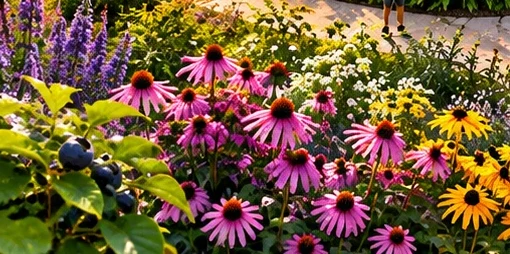
Flowers bring color, pollinators and life to edible landscapes.
FIELD GUIDE / 01
Bloom from spring to fall
Choose regionally native species with overlapping flowering periods. Spring flowers support early insects, summer blooms sustain active pollinators and fall flowers support late-season visitors. Leave some stems, leaf litter and appropriate nesting sites over winter.
FIELD GUIDE / 02
Discover seasonal examples
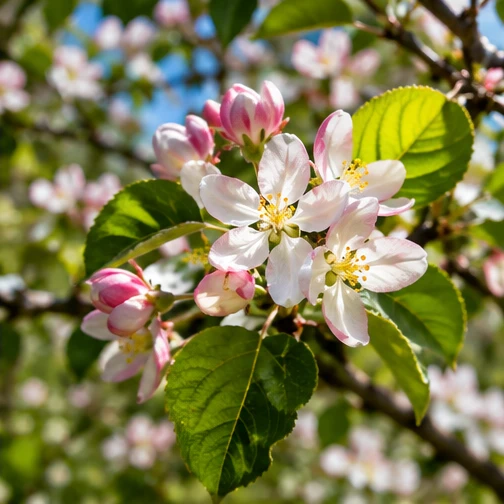
Spring
Wild columbine and native violets where locally appropriate.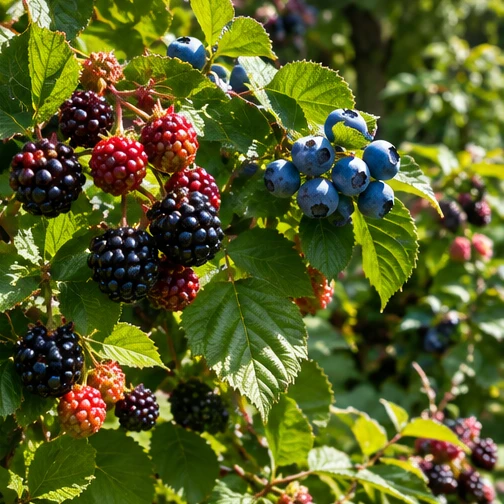
Summer
Native bee balm, milkweeds and coneflowers suited to the region.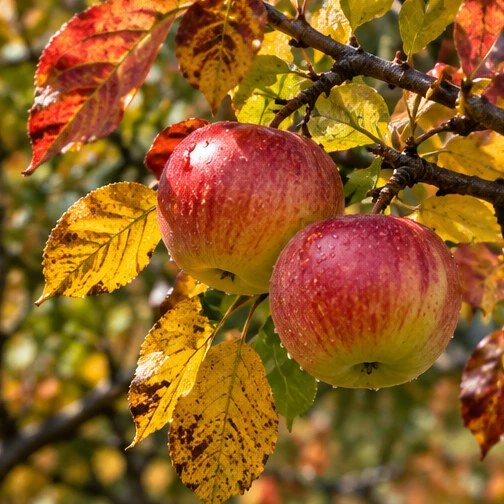
Fall
Locally native asters and goldenrods.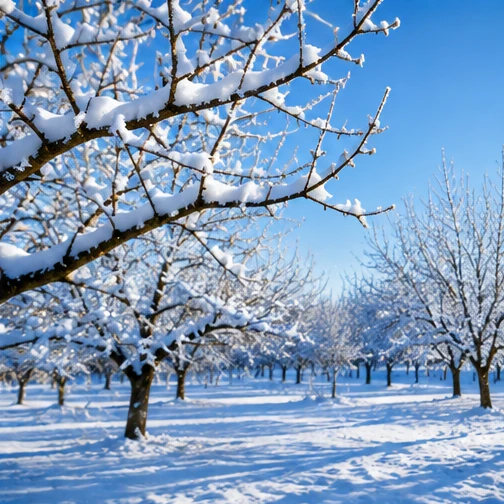
Winter
Standing stems, seed heads and shelter.Examples are not universal planting recommendations or edible identifications. Verify exact species and native range.
FIELD GUIDE / 03
Choose seed responsibly
Avoid generic wildflower mixes without species lists. Verify regional origin, avoid invasive species, and choose plants not treated with pesticides harmful to pollinators. Use locally appropriate native grasses where they support a meadow ecosystem. Choosing pollinator seed mixes.
FIELD GUIDE / 04
Maintain a living habitat
Provide water where needed during establishment, manage invasive weeds, avoid unnecessary pesticides and plan mowing or cutting to protect nesting and overwintering insects. Keep public pathways clear.
FIELD GUIDE / 05